
About me

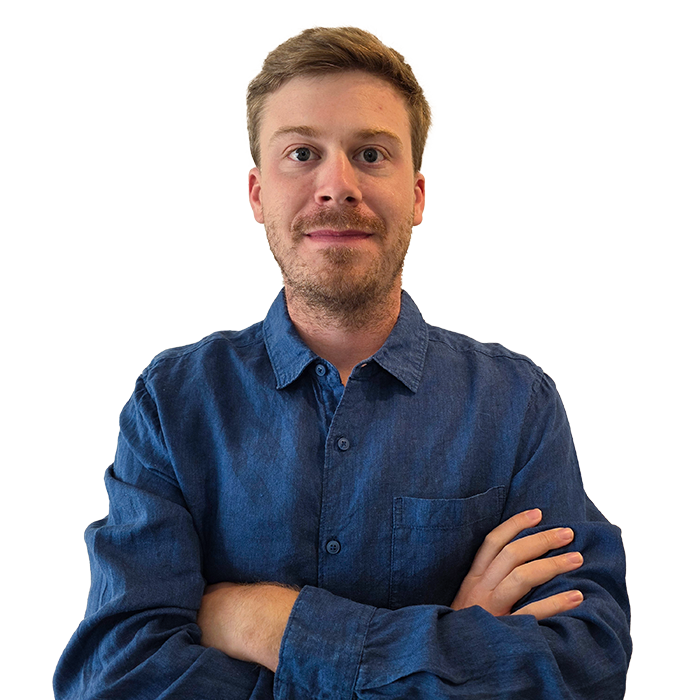
Hi There!
I’m Nathan. A creative professional with over ten years experience in high-end video production. I’m now venturing into the tech sector, focusing on Artificial Intelligence and Software Development. I’m driven by a passion for creativity, problem-solving and making an impact, which shapes my approach to both digital media and technology. I love collaborating and believe that mixing creativity with technology can lead to some truly game-changing ideas.
The rapid evolution of AI has inspired me to leverage my media experience with this emerging technology, exploring the intersection of media and tech to drive innovation.
About Me
For as long as I can remember, I’ve been drawn to digital media. Whether it was photography, making home videos with friends, or trying (and probably failing) to make video games as I stumbled through programming languages, I’ve always loved the challenge of bringing ideas to life through technology.
That curiosity turned into a career in videography, with my first experience coming as a young teenager, working as a camera assistant during the inaugural Big Bash season in 2011. Being a huge cricket fan, this was an unforgettable experience, with Matthew Hayden handing me his Man of the Match trophy after we interviewed him. In the coming years, I also worked at A-League games, where I was lucky enough to be within metres of the Brisbane Roar kicking the match-winning goal in the grand final.
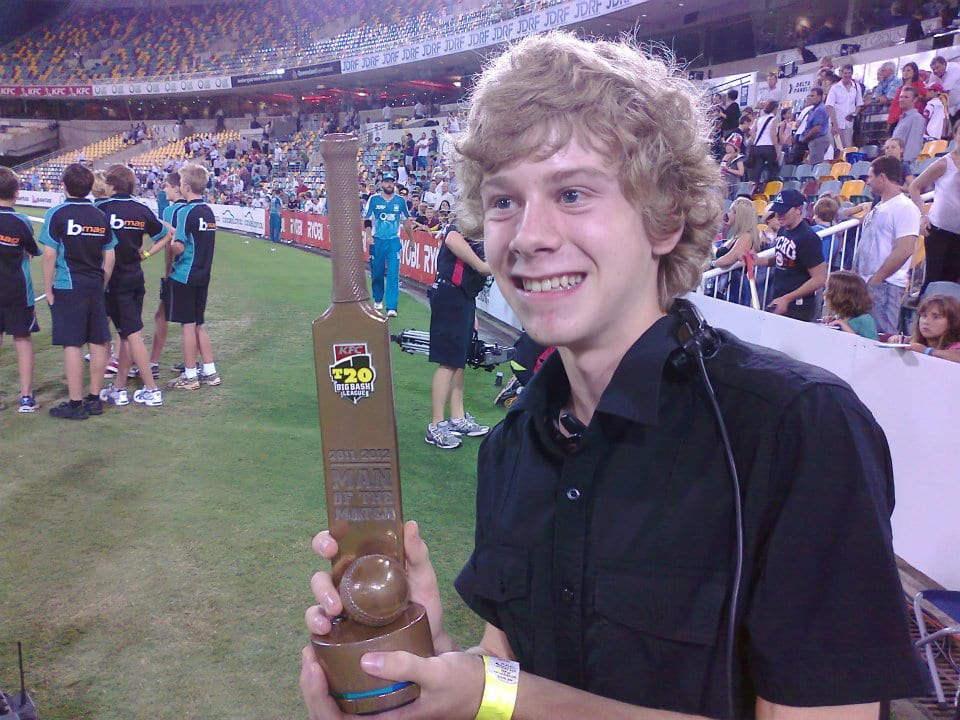
Posing with Matthew Hayden’s Man of the Match trophy (2011)
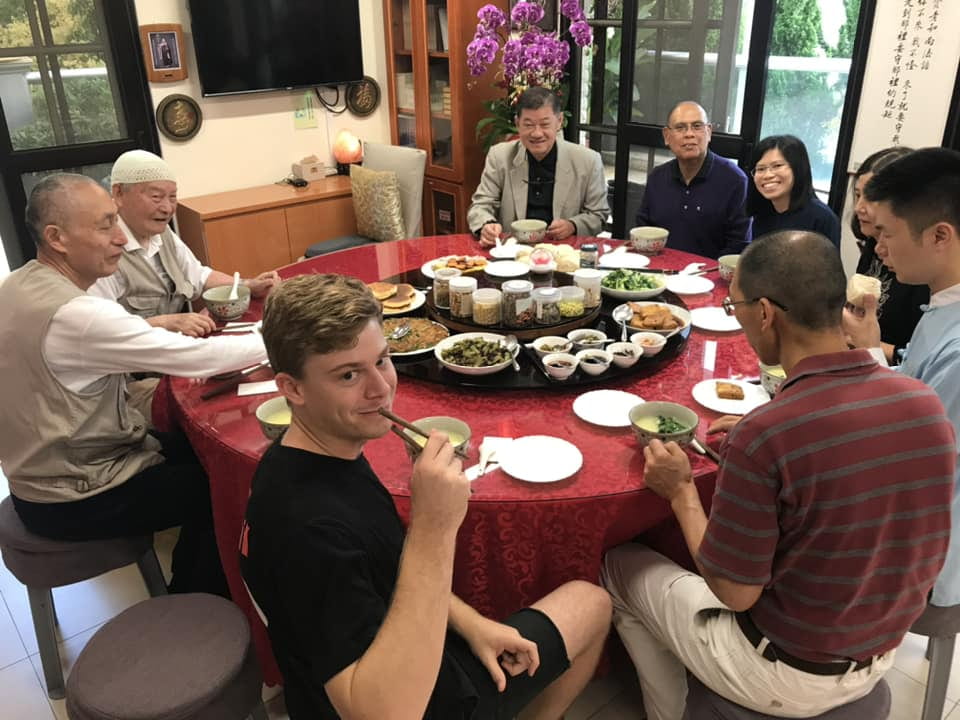
Working on a documentary on Buddhism in Hong Kong (2018)
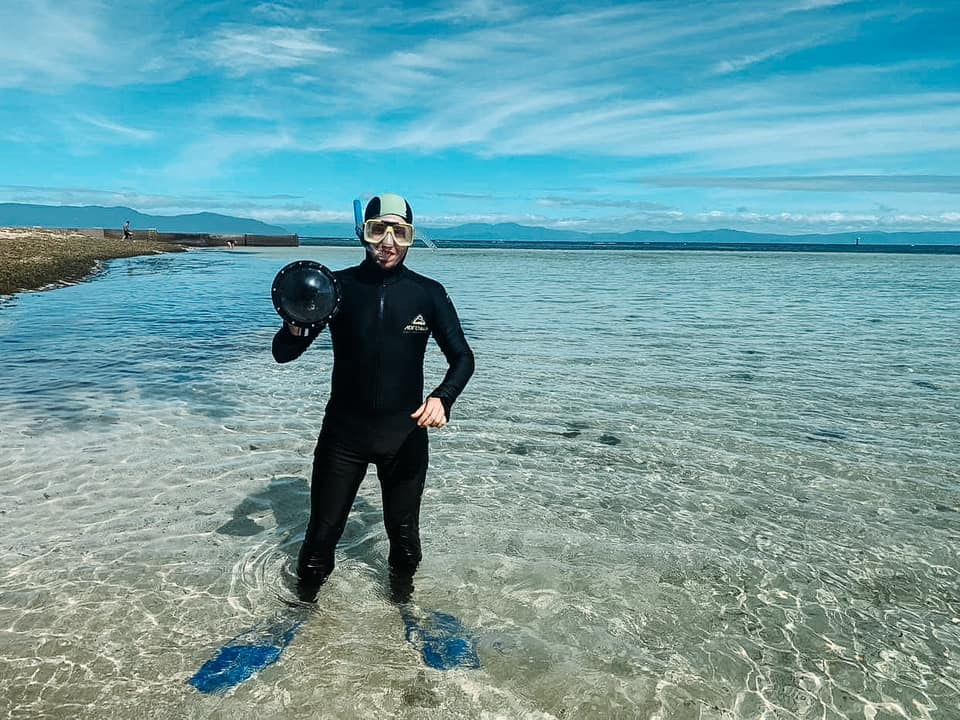
Filming at the Great Barrier Reef (2023)
Over the next several years, I worked on a variety of projects, from television commercials and corporate documentaries to large-scale infrastructure projects. Through these experiences, I developed more than just creative skills. I learned how to manage projects, collaborate with diverse stakeholders, and translate abstract ideas into tangible outcomes. I love collaborating on ideas and have found great joy throughout my career in bringing clients’ visions to life. I’ve found that videography has allowed me to merge creativity with technology in ways that feel both challenging and rewarding. Each project offers a new perspective and challenge, which has taught me the importance of adaptability, attention to detail and communication.
It’s also provided me some amazing opportunities to travel, which has helped shape my personal values and career motivations. In 2018, I was lucky enough to travel to Hong Kong with, where I produced a full-scale documentary on Buddhism. This project not only deepened my understanding and appreciation of culture, but also reinforced my commitment to meaningful storytelling. I was given full creative freedom for the vision and editing process of the documentary, having to navigate the challenge of scripting the narrative in a different language. If you are interested, you can watch the full documentary here.
Another highlight was filming underwater at the Great Barrier Reef, where I worked on a series of videos for a campaign aiming to increase water quality in the Reef. Furthermore, I spent 10 days south of Cloncurry with Joe Wagner Group and Queensland Rail, the entire process of replacing a 16-kilometre segment of railway lines. If you want to check that out, you can watch the documentary here.
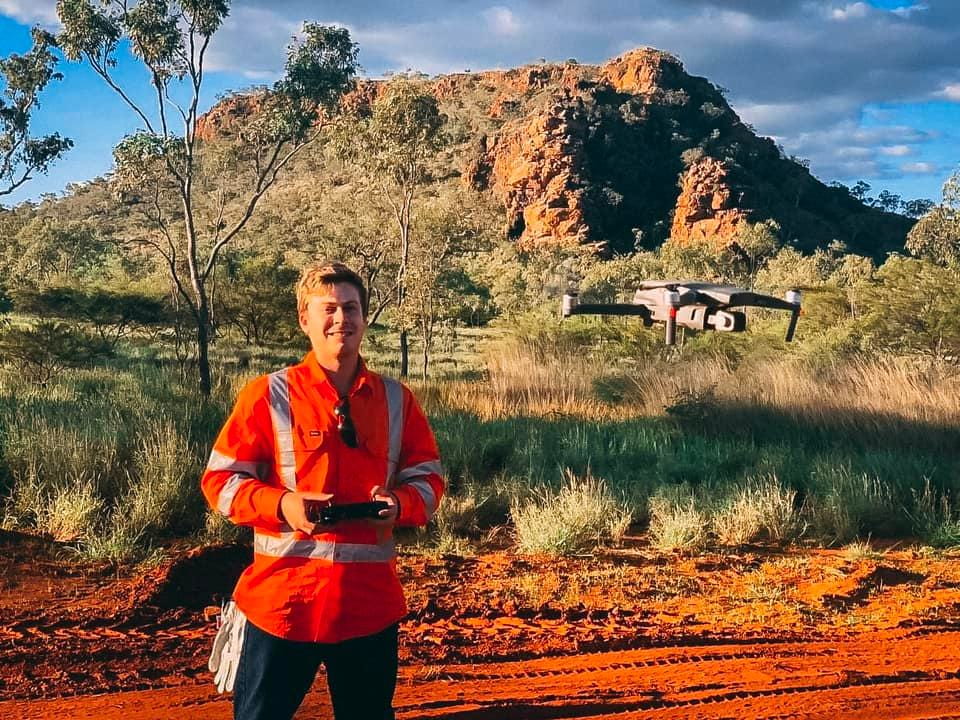
Flying a drone while documenting a railway project for Wagners (2022)
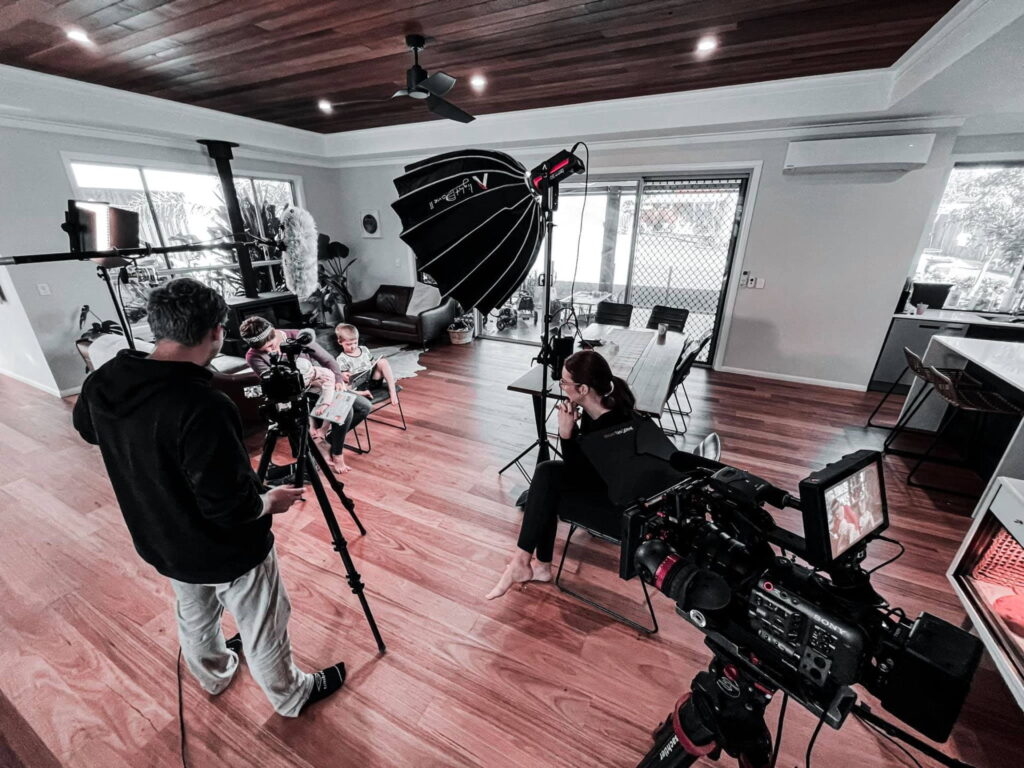
Producing a documentary series for Toowoomba Hospital Foundation (2020)
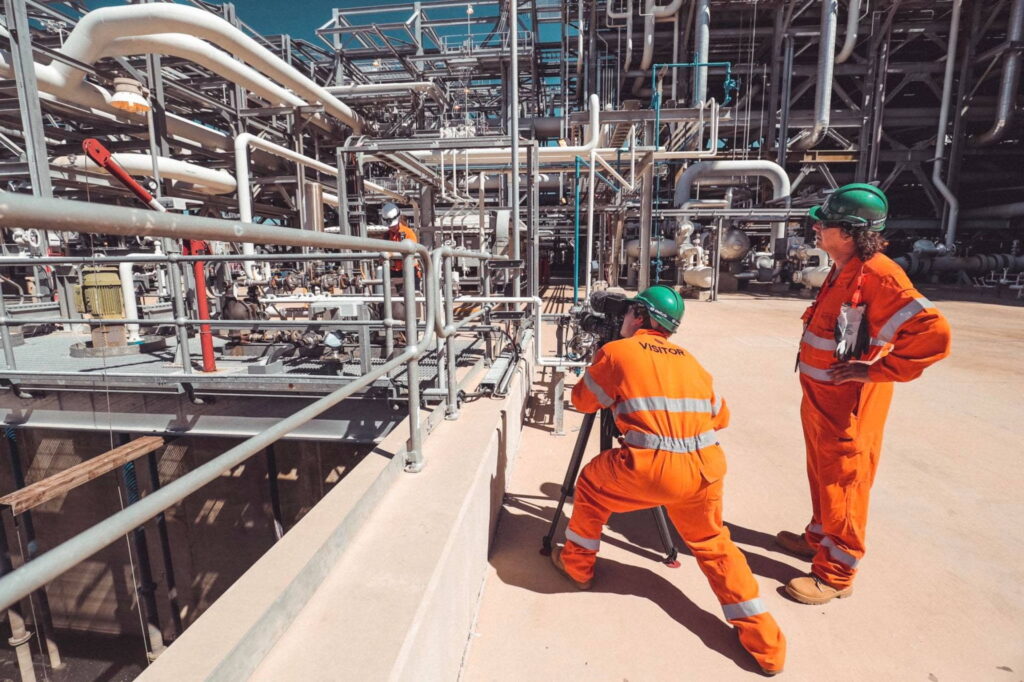
Filming on-site at Shell QGC’s gas plant on Curtis Island, Gladstone (2019)
Why Technology — and Why Now?
Over the past few years, I began noticing how quickly the tools I used every day were evolving. Features that once required hours of manual editing were suddenly being automated. Speech-to-text generating transcripts in seconds, intelligent masking tools tracking subjects automatically and AI-assisted colour grading adapting to scenes without manual keyframing.
Seeing these changes up close made me curious about what was happening behind the scenes. I found myself less interested in simply using the tools and more interested in understanding how they were built, how they made decisions and how they could be designed more deliberately.
That curiosity pushed me beyond digital media and into software engineering. Instead of only integrating AI features into creative workflows, I wanted to leverage my experience to design systems that could solve real-world problems from the ground up.
Today, I actively use AI in my workflows, from automating repetitive editing tasks, to building structured export pipelines, to designing backend systems that control how AI behaves. Now, I have moved from just consuming AI tools into engineering them.
Career DIRECTION
I’m currently seeking a graduate AI or machine learning engineering role where I can contribute to production systems while deepening my expertise in backend architecture, intelligent workflows and scalable deployment environments. I’m particularly motivated by roles that combine AI, infrastructure and real-world operational systems.
Over the next few years, my goal is to become a technically strong AI engineer with the capability to design and implement production-ready systems. I want to build depth in system architecture, data engineering, model integration, and cloud deployment, while gaining hands-on experience working within larger engineering teams.
Long term, I see myself progressing into a senior technical or AI systems architecture role, where I can combine deep engineering capability with leadership responsibility. Having already managed complex client-facing projects for many years, I’m confident in my ability to bridge technical teams and stakeholders. I aim to eventually lead high-impact AI initiatives that drive change in the world.
This portfolio represents a deliberate career transition.
From managing creative systems to engineering intelligent ones. I’m intentionally building both the technical depth and leadership foundation required to operate at a senior level in the future.
If you’d like to see how that direction translates into practical systems, explore the projects below.